
Analyzing Positional Play in Professional Poker Circles
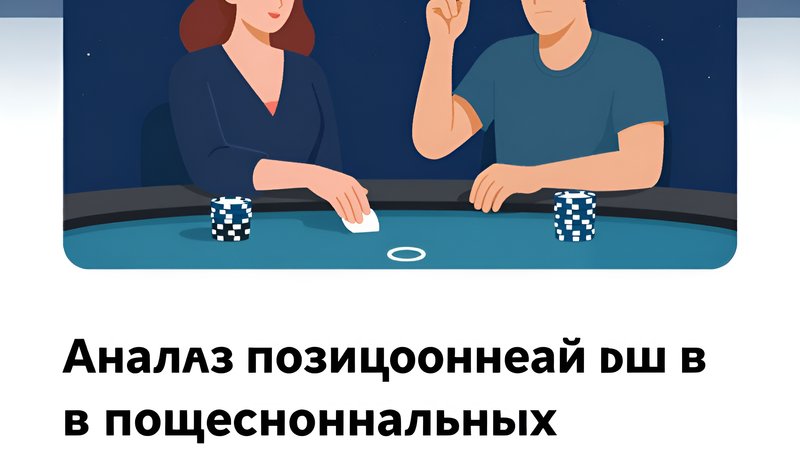
Understanding how your seat at the table may influence your decision-making process.
In the realm of professional poker, position is often cited as one of the most critical variables. While no approach can ensure a profit, understanding the dynamics of where you sit in relation to the dealer may help a player make more informed decisions. Disclaimer: This analysis is for educational purposes; there are no potential wins in gambling.
The Power of the Button
The Dealer Button is widely considered the most advantageous position. Based on our review of common playstyles, the player on the button acts last in every post-flop betting round. This means they have the most information available before they have to commit more chips to the pot. In our opinion, this informational advantage may allow a player to bluff more effectively or extract more value from an opponent's hand.
Positional Hierarchy (General Perspective)
- Late Position (Button/Cut-off): Maximum information, highest flexibility.
- Middle Position: Moderate information, balanced risk.
- Early Position (Under the Gun): Minimum information, highest risk.
The Challenge of Early Position
Playing from 'Under the Gun' (UTG) is significantly more difficult. Because the UTG player acts first, they have no information about how the rest of the table perceives the hand. According to our methodology, players in this position may choose to play a tighter range of hands to avoid being trapped by players acting later in the round.
Adapting to Your Opponents
Position is not static in its value; it depends on who is sitting behind you. If the players in late position are extremely passive, the value of being in early position may increase because the risk of being raised is lower. Conversely, if the button is an aggressive player, acting first may be particularly challenging.
The Psychological Aspect of Positioning
Beyond the math, there is a psychological component. Being the last to act can put pressure on other players, who must decide whether to call or fold without knowing your move. This dynamic could be used to steer the pot, though it remains a matter of probability rather than certainty.
A Note on Responsible Play
Regardless of the strategy or the position, poker is a game of chance and skill where the house or the other players can always win. It is essential to remember that you should only play with money you can afford to lose. Please practice responsible gambling and remember to play within your limits. If you or someone you know is struggling with gambling addiction, organizations like Gamblers Anonymous provide essential support.
Summary
While positional awareness may improve the quality of a player's decisions, it is not a magic bullet. In our opinion, the most successful players are those who can adapt their style based on their position while remaining disciplined with their bankroll.